Fiber Laser Cutting
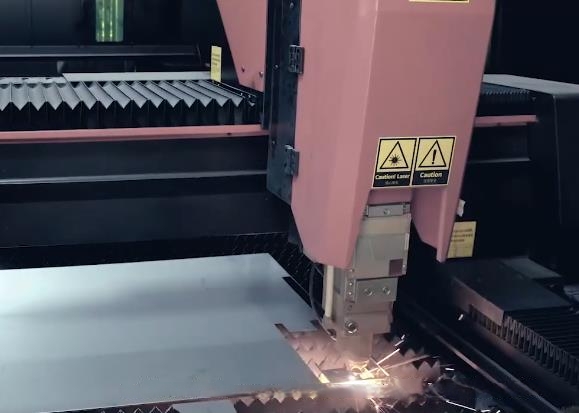
High-speed, burr-free cutting for complex geometries across a range of metals including aluminum, stainless steel and carbon steel.
Precision sheet metal manufacturing from rapid prototyping through to mass production. Our advanced laser cutting, CNC bending equipment and professional welding expertise make sure every project reaches the highest standards of quality.
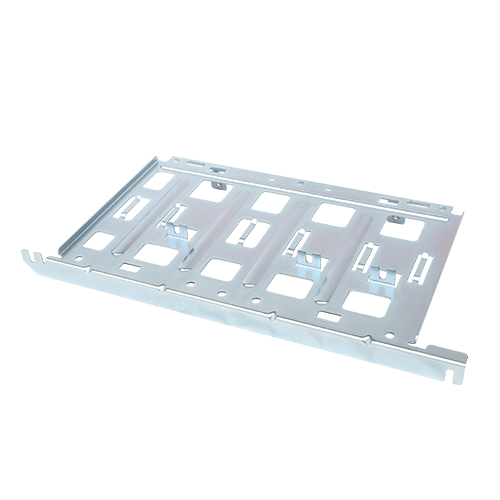 Fabricated & Ready to Ship
From rapid prototyping to high-volume production, our facility integrates advanced laser technology and precision forming to deliver turnkey metal solutions.
High-speed, burr-free cutting for complex geometries across a range of metals including aluminum, stainless steel and carbon steel.
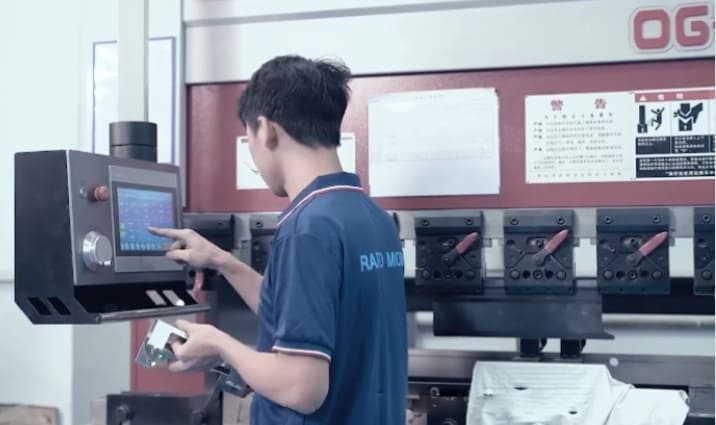
Multi-axis CNC press brakes hold repeatable angles and tight tolerances across multi-bend structural components.
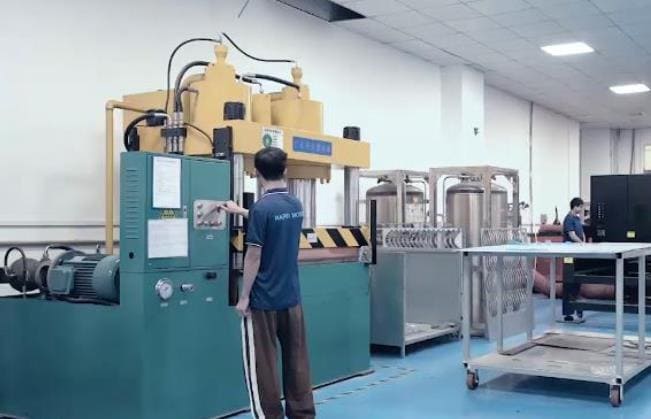
Optimized for high-volume efficiency, delivering consistent high-strength parts through precision die-sets and automated presses.
Structural integrity meets aesthetic quality through specialized MIG, TIG and spot welding for diverse industrial assemblies.
Enhancing durability and aesthetics through a full suite of in-house and managed coating and treatment processes.
Accelerate your R&D cycle with fast-turnaround samples that validate design, fit and function before you commit to hard tooling.
We provide high-quality sheet metal parts, supporting everything from functional prototypes through to large-scale mass production.
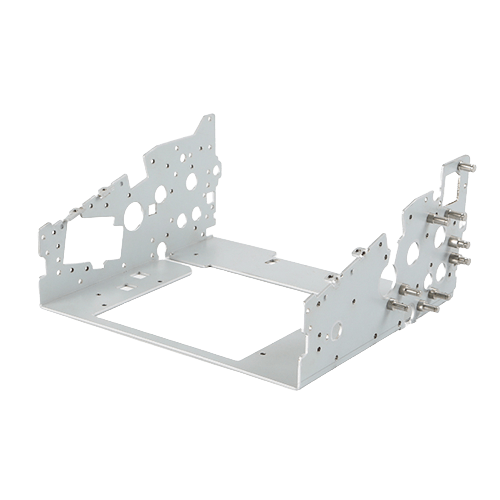
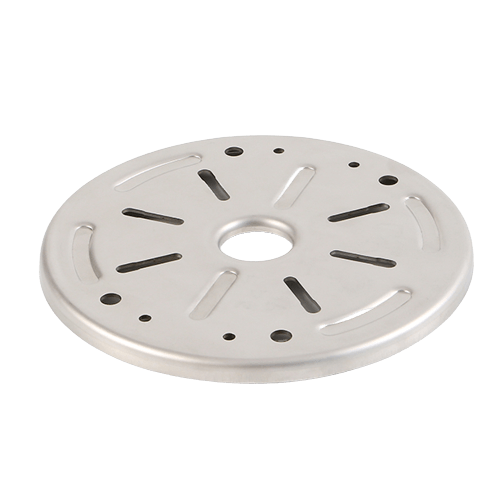
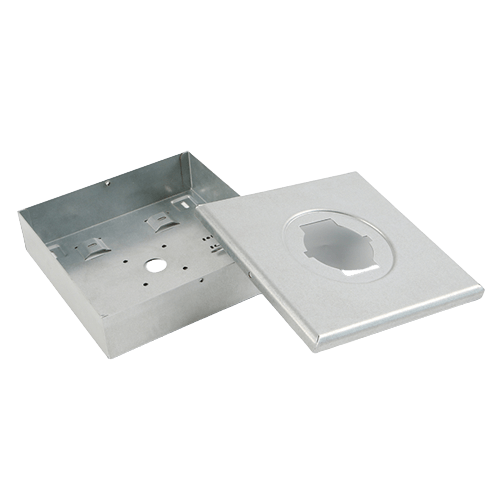
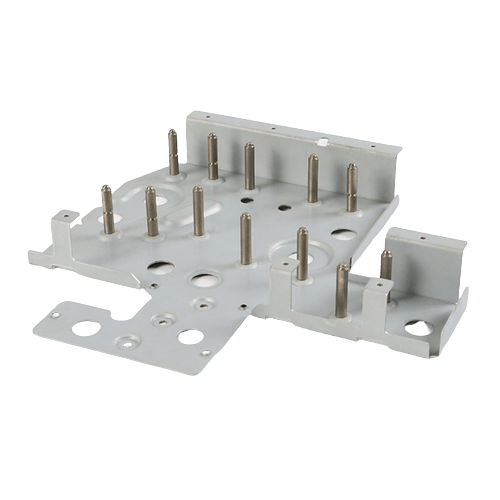
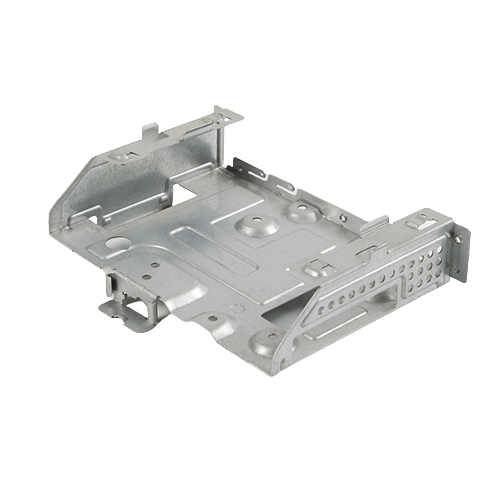
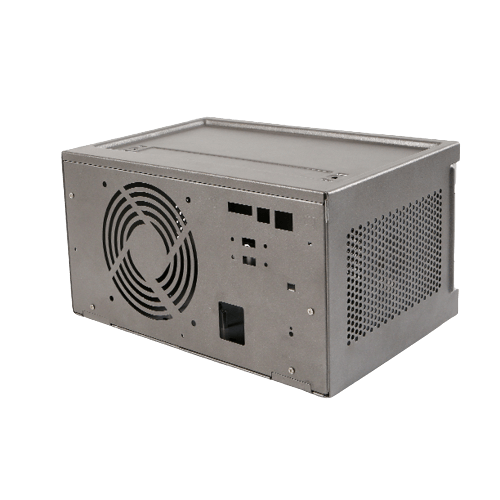
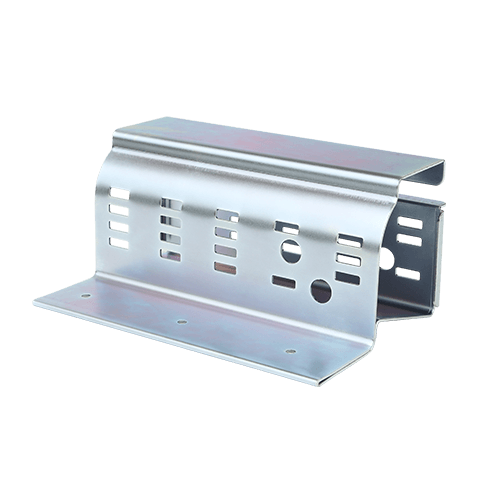
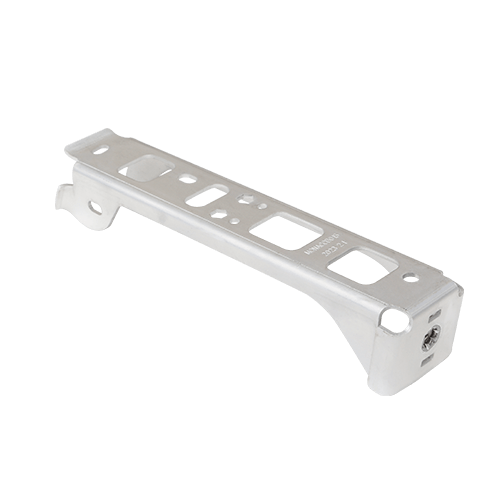
We stock a comprehensive range of industrial metals, ensuring optimal formability, weldability and environmental resistance for your specific application.
The industry standard for high-strength, corrosion-resistant components. Ideal for hygienic environments and demanding structural enclosures.
Optimized for a superior strength-to-weight ratio. Our aluminum fabrication focuses on precision bending and thermal management solutions.
Versatile and cost-effective for heavy-duty industrial frames and mounting solutions where high tensile strength is paramount.
Zinc-coated substrates designed for outdoor longevity and protection against galvanic corrosion, without the cost of stainless.
Non-magnetic and highly conductive materials for specialized EMI/RFI shielding and electrical busbar applications.
For mission-critical applications requiring extreme heat resistance or non-corrosive properties in chemical environments.
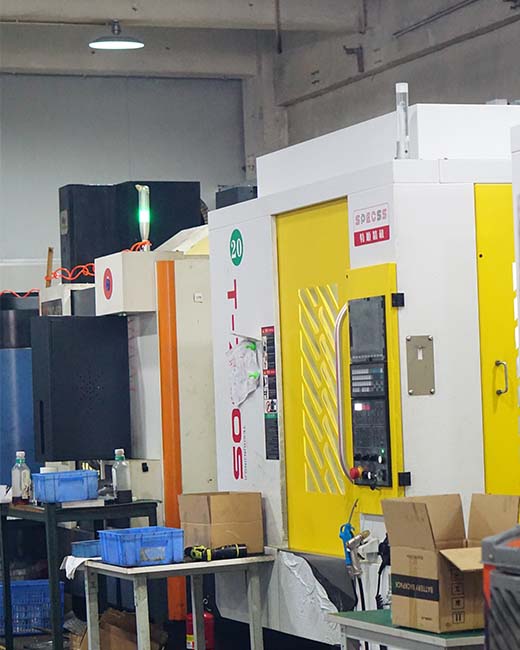
Our facility is equipped for high-precision laser cutting, CNC forming and complex assembly, operating under ISO 9001:2015 standards to ensure structural integrity and dimensional consistency.
| Process / Item | Technical Specification |
|---|---|
| Max Laser Cutting Area | 4000 mm × 2000 mm (157 in × 78 in) |
| Bending Length Capability | Up to 3200 mm (126 in) – 150 Ton Press Brake |
| Material Thickness (Steel) | Laser: 0.5 mm – 25 mm; Stamping: 0.5 mm – 6 mm |
| Material Thickness (Aluminum) | Laser: 0.5 mm – 16 mm; Bending: Up to 8 mm |
| Standard Fabrication Tolerance | ±0.15 mm – ±0.3 mm (ISO 2768-m) |
| Precision Bending Tolerance | ±0.2 mm / ±1° (depending on geometry and gauge) |
| Hole-to-Edge Tolerance | ±0.1 mm achievable for precision laser profiles |
| Welding Capabilities | Manual & Robotic MIG/TIG, Spot Welding, Laser Welding |
| Surface Finishing Options | Powder Coating, Anodizing, Zinc Plating, Bead Blasting, Silk Screening |
| Hardware Integration | PEM® fastener insertion, Riveting, Helicoil installation |
| Lead Time (Standard) | Prototyping: 3–5 working days; Production: 10–15 working days |
| Inspection & Compliance | First Article Inspection (FAI), In-process QC, RoHS & REACH Compliance |
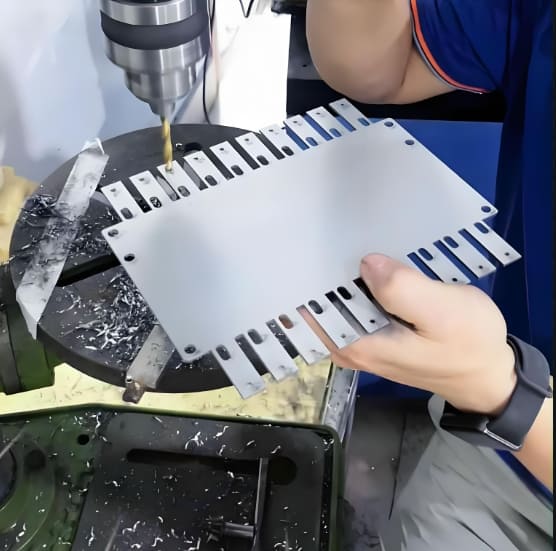
Key requirement: zero-bacteria trap welds & chemical resistance
AISI 304 / 316L Stainless Steel
#4 Brushed / Electropolished
ISO 13485 / FDA Class I Sanitary
The client needed a modular chassis able to withstand aggressive vaporized hydrogen peroxide (VHP) sterilization. Traditional weld seams carried a risk of "micro-pockets" where bacteria could grow, and thermal distortion during welding compromised the optical alignment of internal sensors.
We implemented robotic TIG welding with customized heatsink fixturing to minimize the heat affected zone (HAZ), then applied a three-stage post-weld blending process to achieve a monolithic aesthetic.
"The transition to their robotic TIG process eliminated 15% of our post-processing time. Their documentation for ISO 13485 compliance is the most thorough we have seen from a fabrication partner."
— Director of Engineering, MedTech OEM programme partner
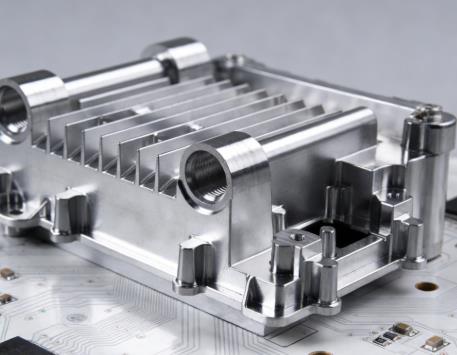
Focus: springback control & high-conductivity surface
AL 5052-H32 Aluminum
NCT Punching / CNC Folding / CMT Welding
IP67 Waterproof / EMI Shielded
Producing a high-strength, low-weight enclosure for Tier-1 EV suppliers. Aluminum's high springback coefficient made it difficult to hit the tight tolerances IP67 gaskets demand, while internal components also required localized conductive areas for grounding.
Using CNC press brakes with active angle-monitoring systems, we neutralized springback in real time. Selective trivalent chromate conversion coating was applied to meet both environmental and conductivity specifications.
"By redesigning our inverter housing from a 12-piece assembly to a simplified 4-piece folded structure, they helped us reduce BOM costs by 22% without sacrificing IP67 integrity."
— Head of Supply Chain, Tier-1 EV supplier programme partner
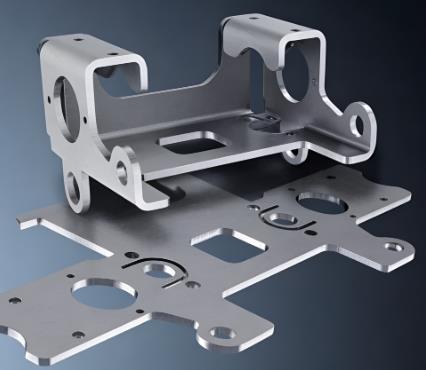
Focus: structural load-bearing & C5-M corrosion resistance
Galvanized Steel (G90) / S355 High-Strength Steel
Large Format Fiber Laser / FIPG Gasketing
UL 508A / IP66 / NEMA 4X
Mass production of heavy-duty enclosures for harsh offshore environments. The cabinets must support static loads exceeding 600 kg while holding structural integrity under seismic vibration and high wind loads.
We used a "9-Fold" profile frame design for the maximum rigidity-to-weight ratio. Formed-In-Place Gasket (FIPG) polyurethane foam technology ensured permanent environmental sealing.
"Their automated FIPG gasketing is superior to anything we have sourced previously. Even in high-salinity field tests, the NEMA 4X enclosures showed zero signs of ingress or oxidation."
— Principal Engineer, Renewable Energy programme partner
Focus: 70% open-area airflow & EMI containment
SECC (Galvanized) / Pre-Plated Steel
High-Speed NCT / Bridge Tapping / Silk-screening
5-Day Fast-Track Prototyping
AI server nodes require extreme ventilation. Punching high-density hole patterns (65%+ open area) induces internal stress, which causes panel warping. On top of that, EMI gaskets need consistent contact surfaces with zero oxidation.
By optimizing the punching sequence and using active levelling tools on our NCT machines, we achieved perfectly flat panels. Conductive zinc plating and specialized masking delivered the grounding zones.
"The flatness they achieve on high-density punched panels is remarkable. We went from prototype to a 1,000-unit pilot run in record time with zero mechanical interference issues."
— VP of Infrastructure, AI Hardware group programme partner
Precision fabrication solutions engineered to meet the structural and functional demands of global industrial leaders.
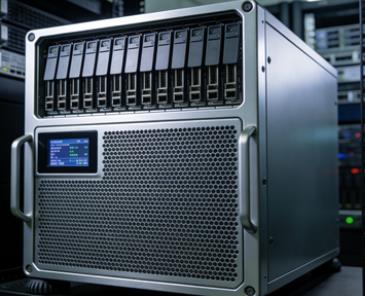
 ✓ IP65 Rated Enclosures
Durability for network infrastructure.
 ✓ ISO 13485 Compliance
Sterile and precise diagnostic housing.
 ✓ Corrosion Resistant
Weather-resistant energy solutions.
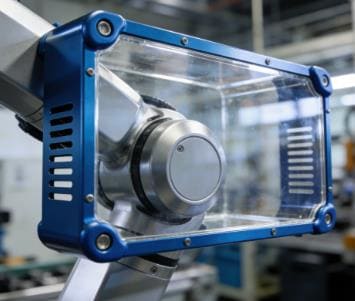
 ✓ AS9100 Certified
High strength-to-weight ratio parts.
 ✓ CE Standard
Heavy-duty factory infrastructure.
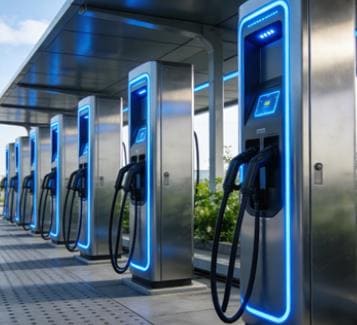 ✓ IATF 16949
Precision for the electric future.
Our streamlined workflow removes unnecessary time costs so your project moves forward quickly and smoothly.
Upload STP/DXF files for instant pricing and manufacturability analysis.
Our engineers refine the design for cost-efficiency and production speed.
Advanced CNC laser cutting, bending and robotic welding execution.
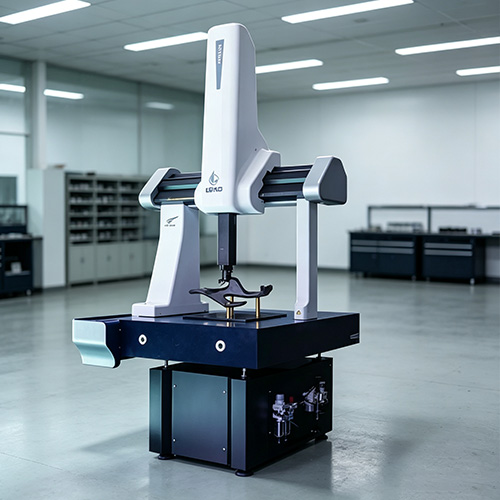
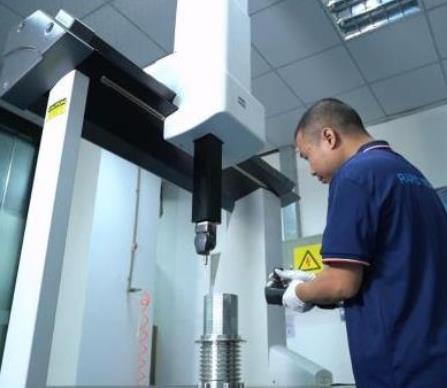
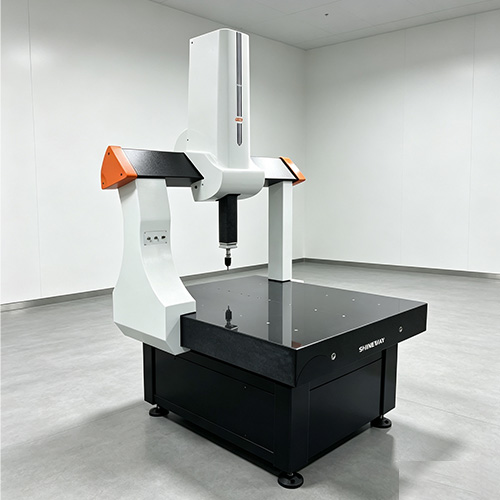
CMM verification and ISO 9001 standardized inspection protocols.
Final surface finishing, assembly and global logistical dispatch.
As a professional Sheet Metal Fabrications Supplier since 2009, we have successfully obtained four ISO certifications. We are dedicated to providing our clients with high-quality, precision sheet metal components.
We provide professional end-to-end sheet metal fabrication, ensuring consistent delivery within 5–10 working days.
Upload your CAD files and receive a free quote within 24 hours, including expert-level DFM feedback.
Consistent quality in sheet metal fabrication comes from a comprehensive approach that integrates proactive prevention, real-time process control, and thorough traceability. The system follows industry standards such as IATF 16949 and AS9100D and is built around five dimensions: standards, equipment, processes, personnel, and inspection.
Clear dimensional tolerances and detailed process documentation are established upfront, and strict control over raw material quality is enforced. Digital process parameters are locked in to prevent unauthorized changes, while critical operations are continuously monitored. Operator training and 5S workplace management minimize human error.
Precision inspection tools such as coordinate measuring machines, combined with Manufacturing Execution Systems (MES), deliver complete process visibility and traceability. Statistical process control (SPC) drives ongoing optimization, keeping dimensional variation within ±0.05 mm and defect rates below 1%.
Sheet metal fabrication is a process involving a series of operations such as blanking (shearing, laser cutting, etc.), forming (bending, stamping), joining (welding, riveting, bolting), and surface treatment (coating, plating, anodizing). It turns metal sheets into parts or finished products with specific shapes and functions. Widely used in electronics, automotive, machinery and other industries, it is characterized by flexibility, high efficiency and cost-effectiveness.
Fiber laser cutting, waterjet cutting and plasma cutting are the three core cutting methods used in sheet metal fabrication. Choosing the right process depends primarily on the type of material and the thickness of the sheet.
For thin metal sheets, fiber laser cutting is the preferred option. Waterjet cutting suits special materials and thicker plates. Plasma cutting works well for medium-thick plates where precision requirements are lower.
Precision and thermal distortion also play a role. If tight tolerances and minimal heat distortion are critical, choose fiber laser or waterjet cutting. If looser tolerances and some heat-affected zones are acceptable, plasma cutting is a viable choice.
Finally, cost and production volume factor in. For high-volume runs demanding low cost, fiber laser or plasma cutting is ideal. For small batches or specialized parts, waterjet cutting offers flexibility.
In summary, use material type, thickness and precision as primary criteria, then optimize based on cost and production volume to reach an efficient, accurate and cost-effective cutting solution.
Lead time varies with product complexity and order quantity. Rapid prototypes can usually be delivered within 1–3 days, small batch production typically takes around 5–10 days, and large-scale production timelines are negotiated separately.
Sheet metal fabrication produces parts such as enclosures, brackets, panels, chassis, automotive components, HVAC parts and industrial machinery parts.
We undertake a wide range of custom sheet metal fabrication projects, including but not limited to electronic enclosures, control panels, automotive parts, industrial equipment housings, HVAC components and architectural metalwork. Our services cater to diverse industries, with tailored solutions to meet specific design and functionality requirements.
After placing an order, the typical process runs: design review and confirmation → material procurement → cutting and blanking → forming (bending, stamping) → joining (welding, riveting, bolting) → surface treatment (coating, plating, anodizing) → quality inspection → packaging and delivery. We maintain close communication with customers throughout to ensure specifications and deadlines are met.
While 3D printing is excellent for producing complex prototypes and parts with intricate geometries, sheet metal fabrication remains more cost-effective and stronger for many small batch production needs. 3D printing is therefore unlikely to fully replace small batch sheet metal fabrication in the near future.
Yes, we offer a variety of surface treatment and coating services, including powder coating, liquid painting, electroplating, anodizing and passivation. These treatments enhance the corrosion resistance, durability and aesthetic appeal of the sheet metal parts.