Turbine Components
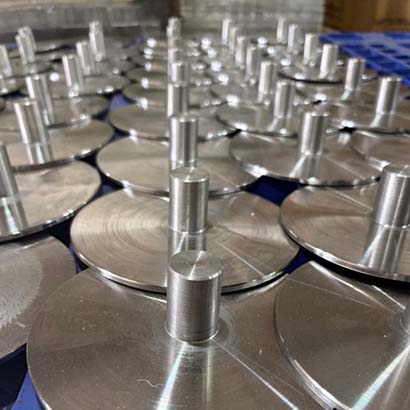
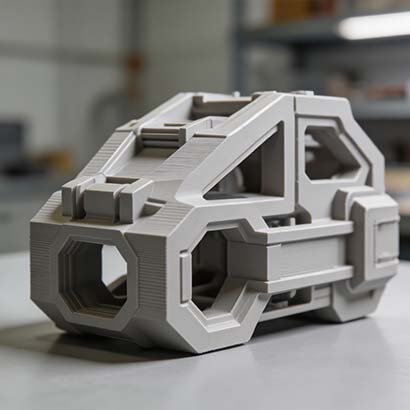
Shafts, housings and structural elements for gas, steam and wind turbines, with strict balance and alignment requirements.
Precision-manufactured parts engineered for power generation, transmission, and renewable energy equipment. We deliver reliable components designed to operate in high-stress and mission-critical environments.
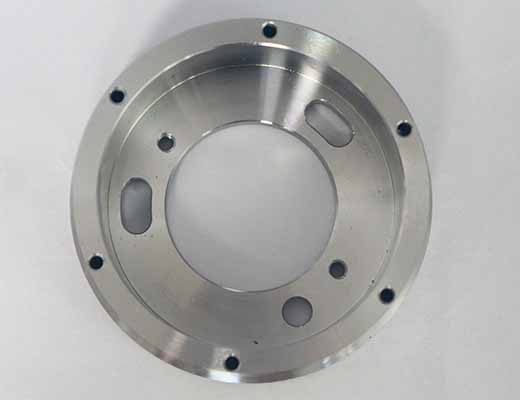
Serving manufacturers of power plants, grid equipment, renewable installations, and energy storage systems worldwide.
Shafts, housings and structural elements for gas, steam and wind turbines, with strict balance and alignment requirements.
Conductive components, enclosures and mounting systems for generators and transformers, machined for electrical and mechanical integrity.
Wind, solar and storage hardware where corrosion protection matters as much as dimensional accuracy over a 20-year service life.
Energy programmes run for decades, so the parts have to stay the same part. We support the initial concept work and the long-term replacement supply that follows it.
Fast-turn manufacturing for new energy system concepts, enabling testing of innovative mechanical and electrical designs.
Controlled manufacturing for ongoing energy projects with consistent quality and scheduled deliveries.
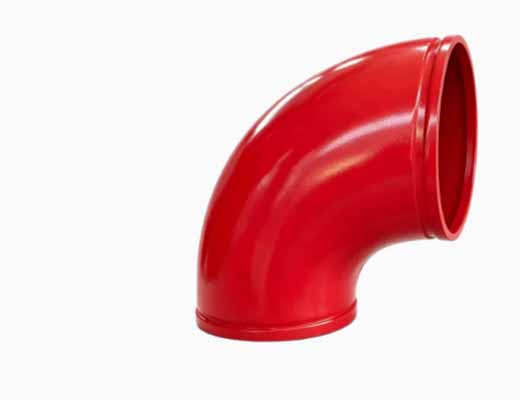
Precision production of shafts, housings, and structural elements used in gas, steam, and wind turbines with strict balance and alignment requirements.
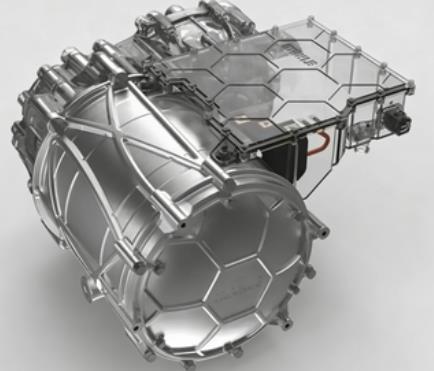
Machining of conductive components, enclosures, and mounting systems for generators, transformers, and high-voltage installations.
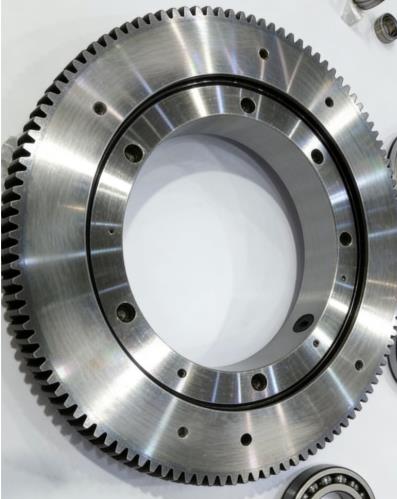
Integrated processes support every stage of component production for power and utility systems, from individual machined parts through to assembled units tested as a set rather than as loose components.
We specialise in producing high-precision parts that support stable power delivery and efficient energy conversion across conventional and renewable systems.
Metals and alloys selected to withstand demanding operational conditions.
Material documentation: energy programmes are quoted against a defined material specification, and certified material records with heat-number traceability are supplied as standard. If your project file references a specific code — an ASTM or ASME material grade, a pressure-equipment or pressure-vessel standard, or a customer specification — state it at quotation stage so the correct grade, heat treatment and documentation can be confirmed before material is ordered.
Integrated processes supporting every stage of component production for power and utility systems.
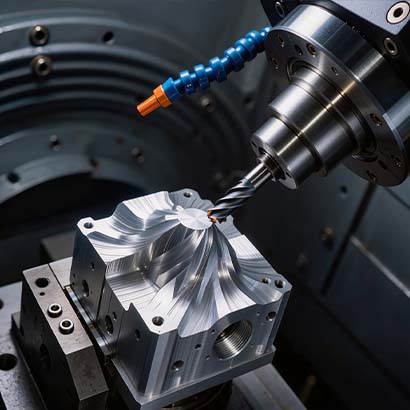
Multi-axis machining of critical components requiring high accuracy and superior surface quality.
View serviceProduction of large structural elements used in generators, turbines, and power frames.
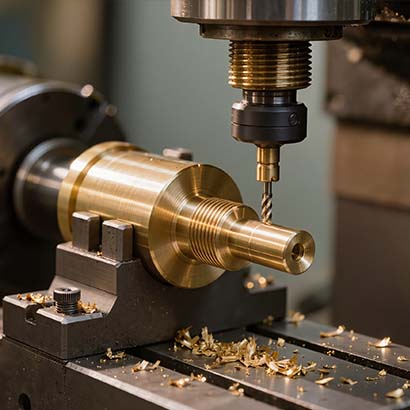
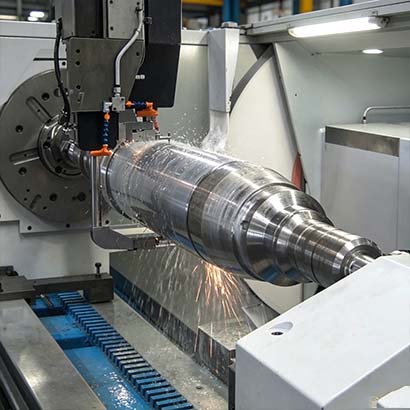
View serviceHigh-precision turning services for rotating parts in energy conversion systems.
View serviceManufacturing of cabinets, housings, and protective structures for electrical equipment.
View serviceProduction of non-conductive and wear-resistant parts for electrical systems.
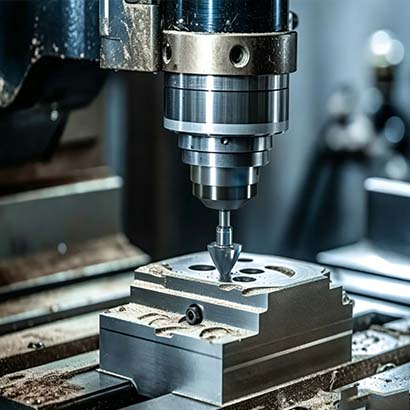
View serviceRapid creation of jigs, fixtures, and prototypes supporting energy equipment assembly.
View serviceAdvanced CNC processes for complex geometries used in turbines, generators, and control systems.
Complete documentation packages supporting energy industry standards and audits.
Ongoing production and replacement parts to keep power systems operating reliably.
Turbine shafts, housings and structural elements for gas, steam and wind turbines; conductive components, enclosures and mounting systems for generators and transformers; substation hardware; and hardware for renewable generation and energy storage installations.
Rotating components are machined from a datum that reflects the running axis, not just the stock outline. Journals and bearing seats are turned in one setup where the geometry allows, concentricity and runout are verified on the CMM, and the part is prepared so that final dynamic balancing is not fighting a machining error. On long shafts we also control the effect of cutting heat, because thermal growth during turning shows up as runout after the part cools.
As standard: certified material records with heat-number traceability, and dimensional inspection reports covering the drawing's critical features.
On request: certificates of conformity, material standard compliance statements, and CMM reports on critical geometry. If your project references a specific ASTM or ASME grade, a pressure-equipment standard, or a customer specification, state it at quotation stage so the correct grade, heat treatment and paperwork can be confirmed before material is ordered.
Yes. We machine carbon and alloy steels including 1020, 1045, 4140 and 4340, tool steels H13 and D2, and custom heat treatment is available for impact and fatigue resistance. For high-temperature and corrosive service we work in nickel alloys such as Inconel and Monel, and in superalloys. These materials are abrasive and work-harden, so the process is planned around tooling and fixturing from the start rather than adjusted after the first cut.
Material selection is the first defence: 304, 316 and 17-4PH stainless, duplex grades, and nickel alloys where chloride exposure is severe. Surface options include anodizing and coating, and we also control the machining factors that cause corrosion to start early — burrs, smeared surfaces, embedded foreign material and sharp edges that damage a coating. Finishing is specified together with the service environment rather than chosen afterwards.
Yes. Energy assets stay in service for decades, so we keep the process definition and inspection plan on file and run ongoing production and replacement parts against them. Inventory planning is available for programmes that need scheduled deliveries or buffer stock, which matters when a single component can hold up a maintenance window.
Yes. Fast-turn manufacturing runs on a 3–7 day cycle for new energy system concepts, so mechanical and electrical designs can be tested before committing to a production route. Working prototypes and production parts come from the same process definition, which means the validation result stays representative when the programme moves to serial supply.
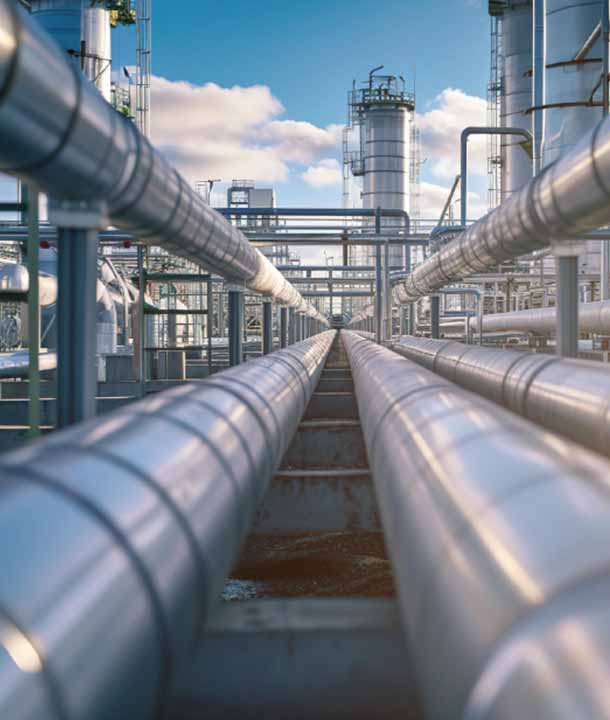
Our manufacturing approach is centred on safety, durability, and precision required by modern energy infrastructure.
Technical support to improve designs for performance and manufacturability.
Controlled workflows that ensure consistent output and predictable schedules.
Comprehensive inspection and documentation for mission-critical components.