Robotic Arms
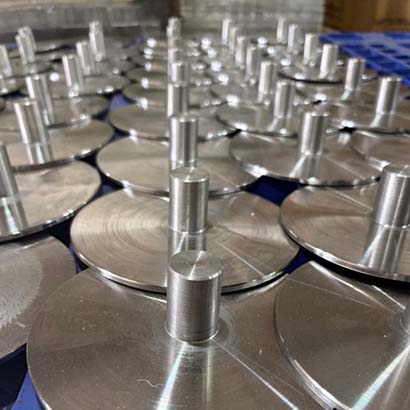
Arm segments, links and joint housings machined for stiffness at minimum mass, with accurate mounting interfaces.
High-strength component manufacturing for automation and robotic systems. We produce durable parts with tight tolerances and complex geometries, supporting R&D and volume production.
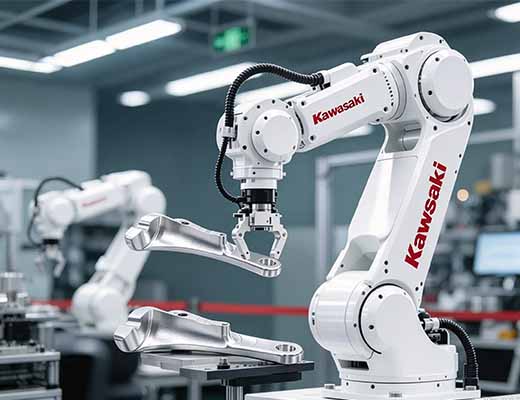
Specialised in structural and mechanical components for robotics. We deliver reliable parts for industrial, collaborative, and mobile robotic applications.
Arm segments, links and joint housings machined for stiffness at minimum mass, with accurate mounting interfaces.
Gearbox housings, motor mounts and shaft couplings held to tolerance for continuous operation under high torque.
Electronics enclosures and controller bodies with clean sealing faces, connector cutouts and heat paths.
The same process definition and inspection plan carry from motion testing into serial production, so integration results stay representative as volumes rise.
Accelerate robotic system development with functional prototype components. We enable design validation, motion testing, and integration checks with rapid machining.
High-volume manufacturing for robotic assemblies. We ensure process stability, material consistency, and cost efficiency for serial production.
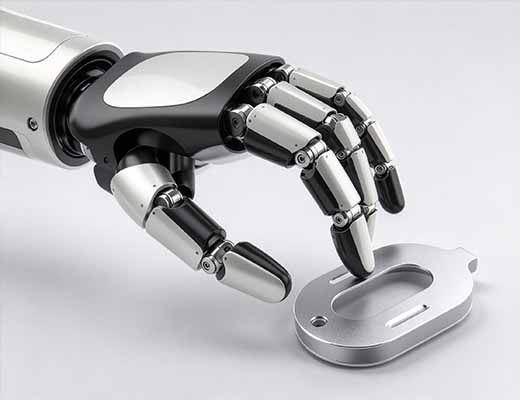
We machine high-strength aluminium and steel components for robotic frames and arm segments. Precision milling ensures optimal weight-to-strength ratios and accurate mounting interfaces. Each part is validated for dynamic load performance and alignment accuracy.
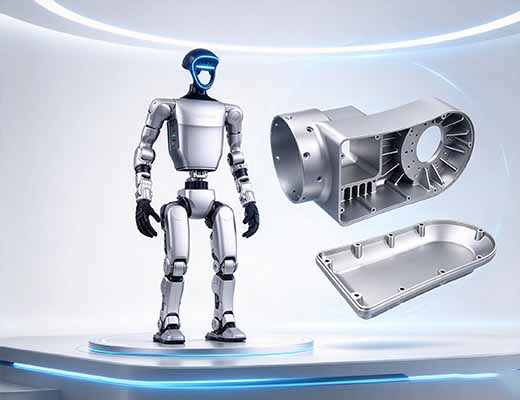
Gearbox housings, motor mounts, and shaft couplings require precise tolerances and surface finishes. Our CNC processes deliver reliable components that maintain performance under continuous operation and high torque conditions.
Robotic components require durability, precision, and performance under stress. We provide engineering analysis to optimise part design, material selection, and manufacturing processes for robotic applications.
Selection of high-performance metals and composites for robotic applications.
KH Precision provides precision machining and engineering services for robotic systems, automation equipment, and motion control components.
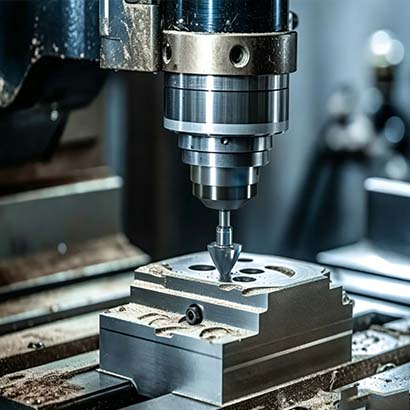
High-tolerance machining for robotic components requiring dimensional accuracy, structural integrity, and reliable performance.
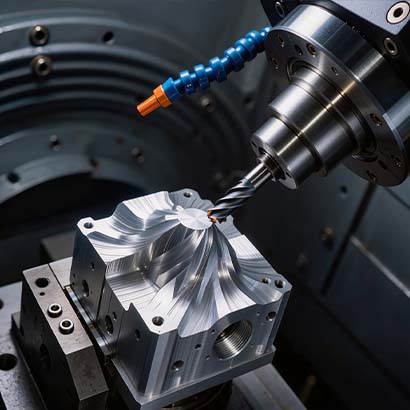
View serviceMulti-axis milling for complex robotic arm segments, chassis components, and mounting interfaces.
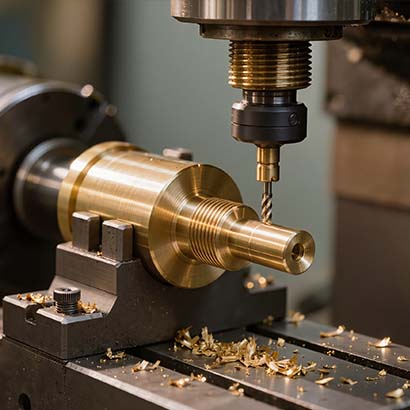
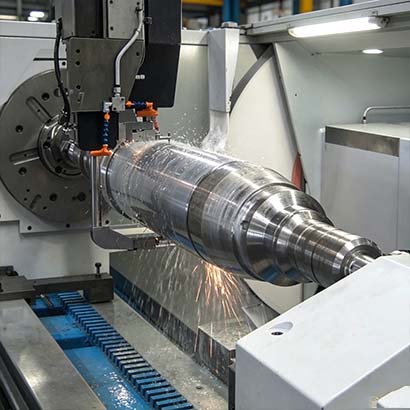
View servicePrecision turning for shafts, pins, rollers, and rotational components with concentricity requirements.
View serviceFabrication of control cabinets, sensor mounts, and protective covers with precise cutouts and mounting features.
View serviceProduction of durable plastic components for housings, grips, and non-structural robotic elements.
View serviceRapid prototyping of concept models, jigs, fixtures, and lightweight components for robotic systems.
View serviceTransparent costing with detailed quotations provided within 24 hours.
From prototype batches to high-volume manufacturing runs.
Complete process from machining to surface treatment and quality inspection.
Arm segments and links, joint and actuator housings, gearbox housings, motor mounts, shaft couplings, controller enclosures, sensor mounts, and end effector bodies. We work across industrial, collaborative and mobile robotic platforms.
Robotic arms pay for every gram twice, because mass at the end of a link increases the torque the joint must carry. We start from the load case rather than the drawing: rib layout, wall thickness and pocket depth are set from the bending and torsional loads the link actually sees, then confirmed with precision milling that keeps the mounting interfaces flat and parallel.
Standard machined tolerance is ±0.025 mm, with critical features such as bearing bores and mating faces held to ±0.01 mm where the drawing requires it. Mounting interfaces and rotational features are checked for flatness, parallelism and concentricity, since those are what determine whether an assembly runs true.
Yes. For multi-part assemblies we analyse the stack across the whole chain rather than optimising individual parts, so tolerance is spent where it actually matters. This usually reveals that one or two tight features carry the assembly and the rest can be relaxed, which reduces both cost and inspection time.
Structural metals: aluminium 6061-T6 and 7075-T6 for weight-critical links, steel 4140 and 1045 for loaded shafts and wear surfaces, titanium Grade 5 where strength per unit mass matters most, and brass or bronze for bushings and bearings.
Polymers: POM (Delrin) and nylon for low-friction and wear parts, PEEK for high-temperature components, UHMW-PE for slider pads, and carbon fibre composites where minimum mass governs the design.
Yes. Functional prototypes run on a 2–5 day cycle for design validation, motion testing and integration checks. The same process definition then carries into serial production from 500 up to 100,000+ units, with full batch records so a change in volume does not mean a change in the part.
Yes. We sign unilateral or mutual NDAs before drawing review, restrict drawing access to project engineering personnel, and do not use customer parts for marketing or sample display. Robot kinematics and end effector geometry are usually the core IP, and we treat those files accordingly.
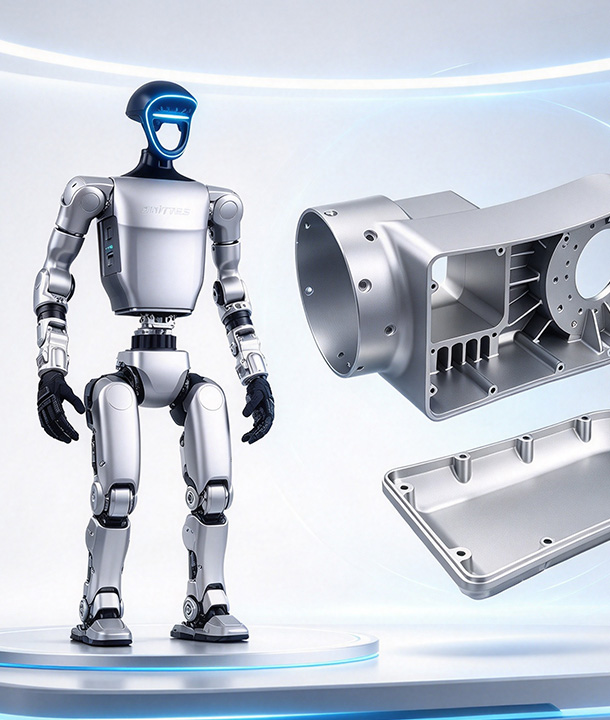
We produce robust and accurate parts for robotics through advanced machining techniques and rigorous quality assurance.
Deep understanding of mechanical requirements for robotic and automation components.
High-speed CNC equipment capable of producing complex geometries with tight tolerances.
Comprehensive testing to ensure parts meet functional and durability specifications.