Surgical Instruments
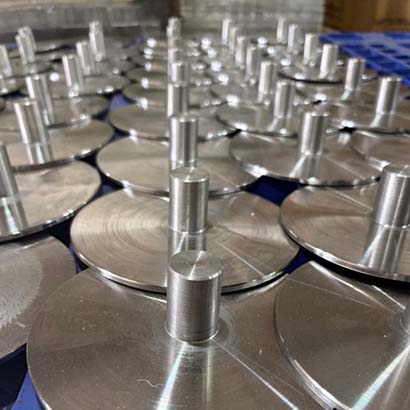
Handles, forceps bodies, guides and cutting components machined to surgical-grade finish and clean edge condition.
Precision manufacturing for medical devices and surgical instruments. We produce complex components with tolerances up to ±0.01 mm, supporting rapid prototyping and regulated production.
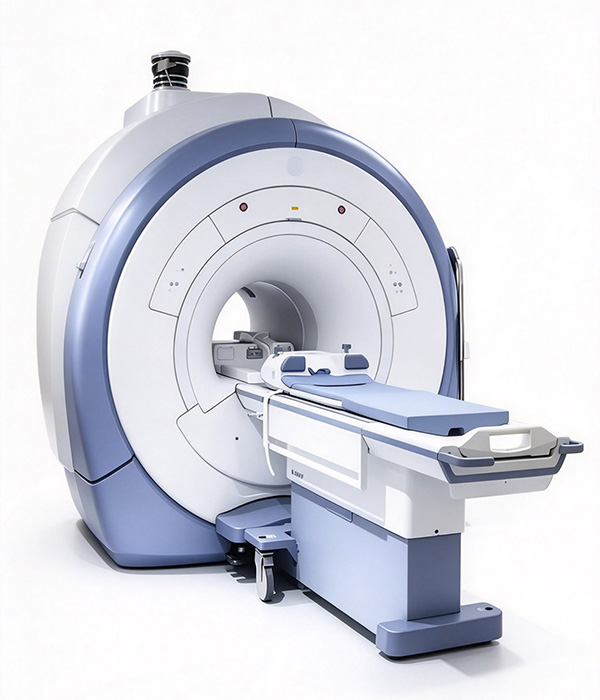
Focused on precision parts for medical applications. We supply compliant components for surgical, diagnostic, and therapeutic systems.
Handles, forceps bodies, guides and cutting components machined to surgical-grade finish and clean edge condition.
Bone plates, screws and implant connectors in implant-grade titanium and medical stainless, with heat-number traceability.
Frames, alignment plates and precision mounts where flatness and parallelism hold the measurement accuracy.
The same process definition and inspection plan carry from design verification into production, so nothing changes underneath you when the programme scales.
Transform medical concepts into functional components with precision machining. We support design verification, material testing, and pre-clinical evaluation with fast turnaround.
Controlled manufacturing for certified medical products. We deliver stable processes, full traceability, and strict quality management for critical components.
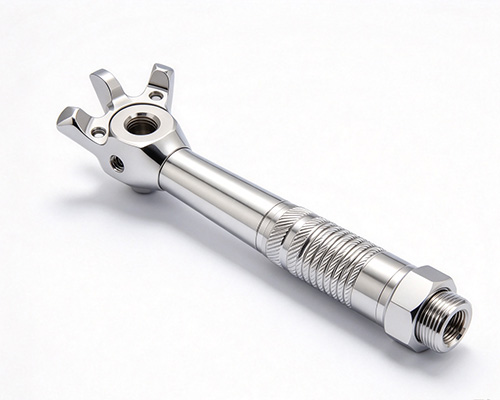
We produce precision implants and surgical components using biocompatible materials such as titanium and medical-grade stainless steel. Advanced multi-axis machining ensures accurate geometries and smooth surfaces. Each part undergoes strict inspection and cleaning processes to meet medical industry standards.
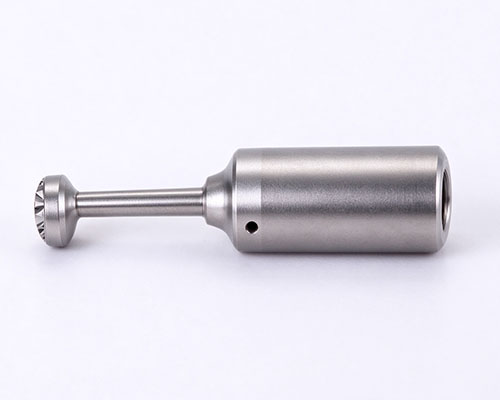
Device housings, connectors, and precision mechanisms require high reliability and stability. We combine CNC machining with fine finishing to achieve tight tolerances and excellent surface quality. From prototype to serial production, processes are controlled to ensure repeatable results.
Medical products demand accuracy, safety, and process control. We provide technical analysis and consulting to define effective machining strategies and ensure compliance with application requirements.
Selection of biocompatible metals and engineering polymers for healthcare applications.
Material documentation: medical programmes are quoted against a defined material specification. Mill certificates with heat-number traceability are supplied as standard. If your device file calls for a specific ASTM, ISO 5832 or ISO 10993 requirement, state it at quotation stage so the correct grade and documentation can be confirmed before any material is ordered.
KH Precision provides precision engineering and compliant manufacturing services for medical devices, instruments, and critical healthcare components.
High-accuracy machining for medical components with tight tolerances, traceability, and clean manufacturing processes.
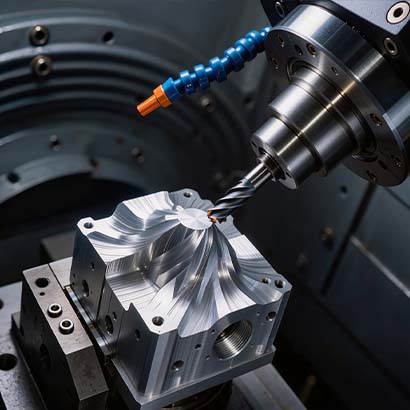
View serviceMulti-axis milling for complex surgical tools, implant components, and diagnostic equipment parts.
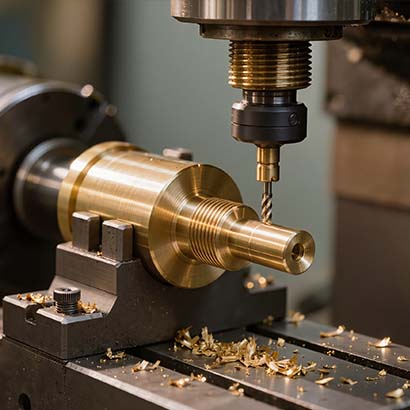
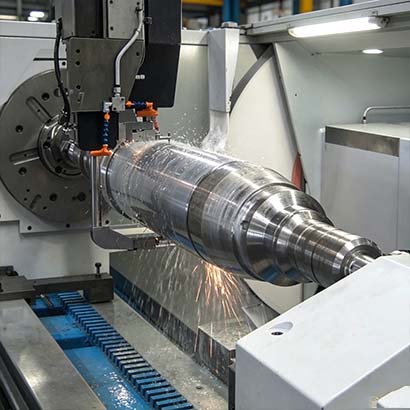
View servicePrecision turning for shafts, connectors, and cylindrical components requiring smooth finishes and strict tolerances.
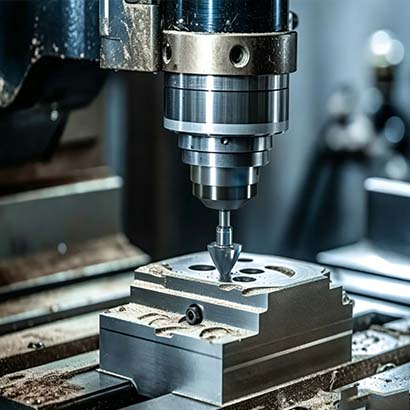
View servicePrecision fabrication of equipment housings, enclosures, and structural medical components.
View serviceProduction of sterile-grade plastic parts with repeatable quality for medical and laboratory applications.
View serviceRapid development of functional prototypes, surgical guides, and customised medical components.
View serviceClear pricing and technical review with formal quotes within one business day.
Support from single prototypes to regulated volume manufacturing.
Integrated machining, finishing, assembly, and quality documentation.
Our medical programmes run to ISO 9001 based quality management with documented inspection and traceability. We do not claim ISO 13485 certification here. If your device file requires an ISO 13485 certified supplier, tell us at the enquiry stage and we will confirm whether we can meet that requirement before you invest time in a quotation.
As standard: mill test certificates with heat-number traceability, and dimensional inspection reports covering the drawing's critical features.
On request: certificates of conformity, material standard compliance statements against ASTM or ISO grades, and CMM reports on critical geometry. State any specific standard requirement (for example ISO 5832 for implant alloys) at quotation stage so the correct grade and paperwork can be confirmed before material is ordered.
Yes. We machine implant-grade titanium such as Ti-6Al-4V and Grade 2, medical stainless steels including 316L and 17-4PH, cobalt chrome wear-resistant alloys, and implant-grade PEEK. Each is supplied against a defined material specification with traceability back to the heat number.
Passivation, electropolishing, bead blasting, and polished finishes down to a mirror surface where the drawing calls for it. For implant and instrument work the finish is usually specified together with a cleanability or biocompatibility requirement, so the finishing route and the cleaning process are planned together rather than selected afterwards.
Parts are machined with defined coolant and handling controls, then cleaned through a multi-stage process before packing. Burrs are removed under magnification on fine internal edges. Where a programme requires cleanroom-compatible handling or documented particulate control, specify it at quotation stage so the process and packing method can be built around it.
Yes. Rapid prototyping runs on a 24–72 hour cycle for design verification, material testing, and pre-clinical evaluation. Once the design is fixed, the same datum strategy and inspection plan carry into regulated production from 100 up to 50,000+ units, so validation results stay representative.
Yes. We sign unilateral or mutual NDAs before drawing review, restrict drawing access to project engineering personnel, do not use customer parts for marketing or sample display, and do not retain or reproduce finished parts without written authorisation. For medical customers the design file is the core asset and we treat it accordingly.
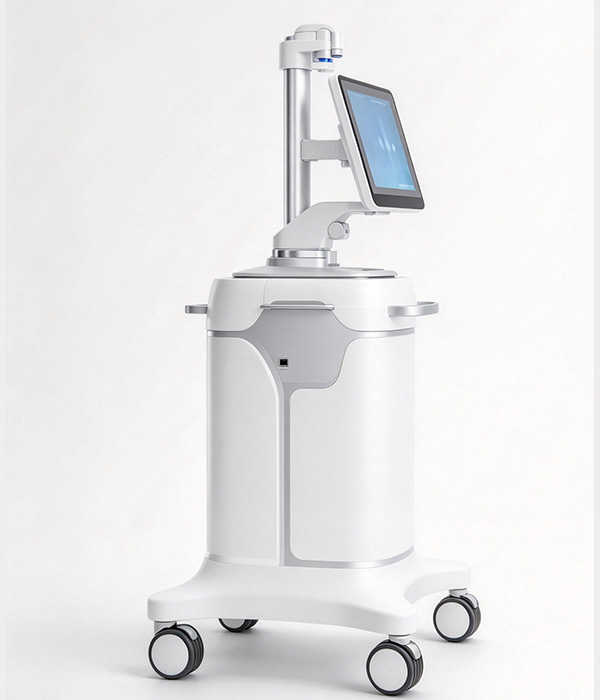
We deliver accurate and compliant medical components through advanced CNC technology and disciplined quality control.
Specialised knowledge in medical machining ensures reliable and repeatable results.
Multi-axis machining centres enable precise production of complex medical parts.
Documented inspection and traceability support regulated medical manufacturing.