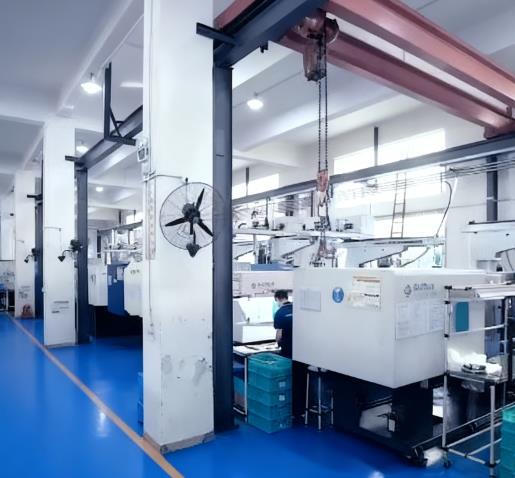
Recurring Production · 500 pcs and up

High-Volume CNC Machining for Repeat Production Runs

When a part moves from prototype into regular demand, the priorities change: unit cost, cycle time and batch-to-batch consistency start to matter more than one-off flexibility. We set up dedicated fixtures and locked programs so every run repeats the one before it.

  • Dedicated fixture and program per part number, retained for repeat orders
  • Multi-axis machining and bar-fed turning for unattended production hours
  • In-process gauging with SPC so deviation is caught during the run, not after it
  • Volume pricing with a fixed per-piece rate across the batch
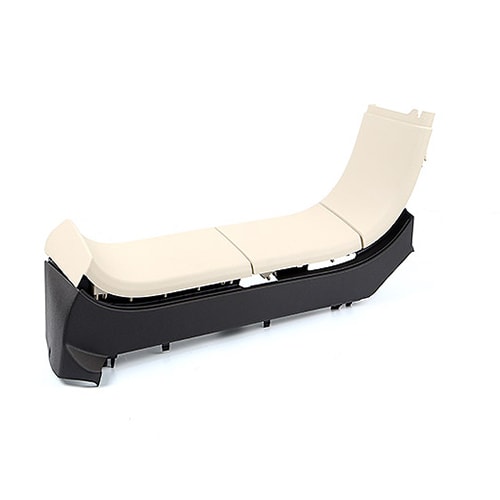
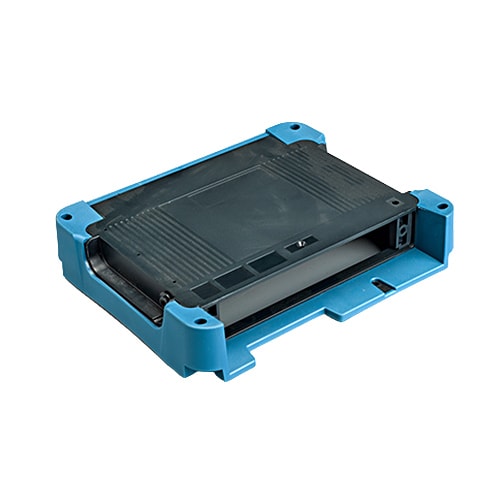
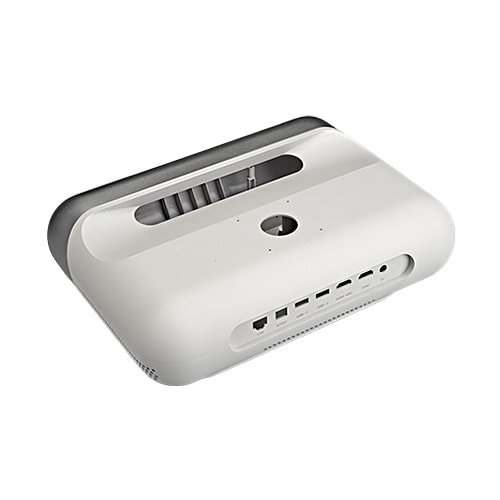
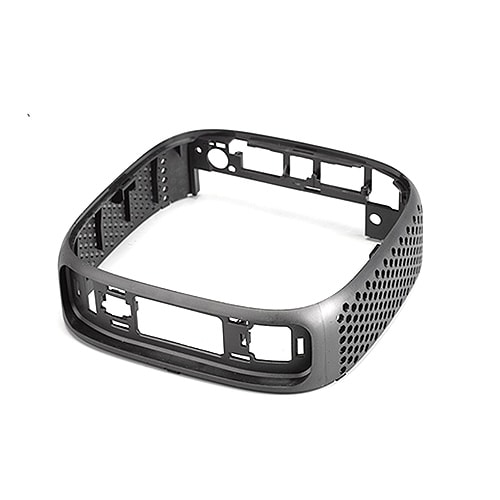
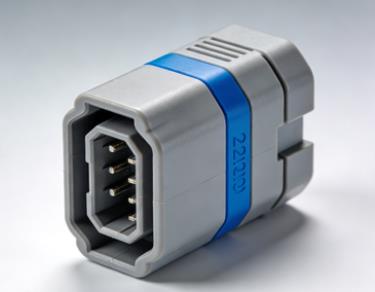
High-volume CNC machined production parts Set Up for Repeat Runs
ISO 9001Quality Certified
5–10 DayTypical Lead Time
500+ pcsProduction Band
24hrRapid Quoting
Production-Grade Materials

Materials for Volume Machining

Volume work lives or dies on material consistency. We standardise the grade and the mill source per part number, so the stock that arrives for run three behaves like the stock from run one.

Aluminum Alloys

Fast to cut, dimensionally stable and cheap to anodize, which makes aluminum the default choice for enclosures, brackets and heat-transfer parts at volume.

Typical Applications
  • Electronics enclosures and heat sinks
  • Structural brackets and mounting plates
  • Automotive and EV lightweight components
Stainless Steels

Chosen where corrosion resistance and cleanability are specified rather than optional. Harder on tooling than aluminum, so cycle times and tool-life planning matter more in the quote.

Typical Applications
  • Medical instrument and device components
  • Food and beverage equipment parts
  • Marine and chemical-exposed hardware

Carbon & Alloy Steels

The workhorse where load and cost both matter. Alloy grades add hardenability and fatigue life, which typically means heat treatment after machining and grinding to finish.

Typical Applications
  • Transmission and driveline components
  • Shafts, gears and high-strength fasteners
  • Industrial machine frames and mounts

Copper & Brass

High conductivity with excellent machinability. Brass in particular machines fast enough that cycle time per part stays low even on tighter tolerances.

Typical Applications
  • Electrical connectors and busbars
  • Valve bodies and fittings
  • RF and EMI shielding components

Titanium & Superalloys

Specified for strength-to-weight or heat resistance that no other grade delivers. These cut slowly and wear tooling fast, so we plan the tool path and the tool budget into the volume price from the start.

Typical Applications
  • Aerospace structural and engine hardware
  • Surgical implants and instruments
  • High-temperature industrial components

Engineering Plastics

For volume runs where a machined plastic part beats a molded one: low tooling cost, no mold lead time, and design changes absorbed without cutting steel.

Typical Applications
  • POM and PEEK precision parts
  • Insulators, spacers and bushings
  • Low-volume enclosure and cover sets
Exhibition of Machined Parts

Parts We Run at Volume

We machine production batches under strict confidentiality to protect customer designs. No minimum order quantity on the first run — talk to us about the volumes you expect.

Machined housing component produced in volume
Machined Housing
Machined panel set for production assembly
Machined Panel Set
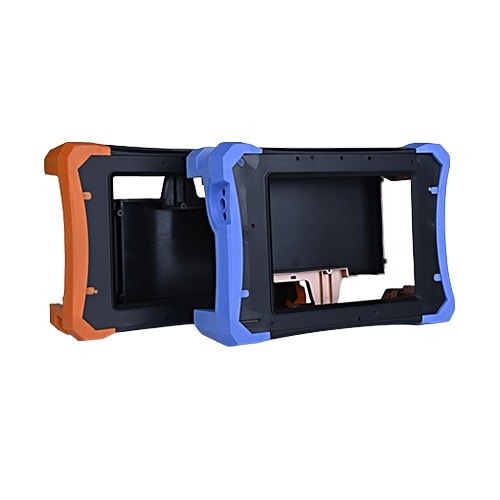
Rugged machined device enclosure
Rugged Device Enclosure
Machined battery enclosure for EV production
Battery Enclosure
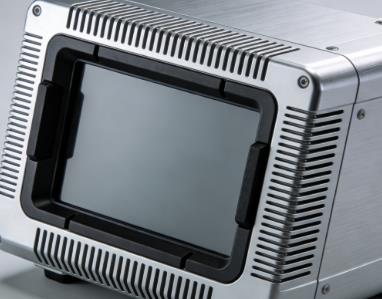
Machined chassis for electronic equipment
Electronic Chassis
Machined perforated grille frame
Perforated Grille Frame
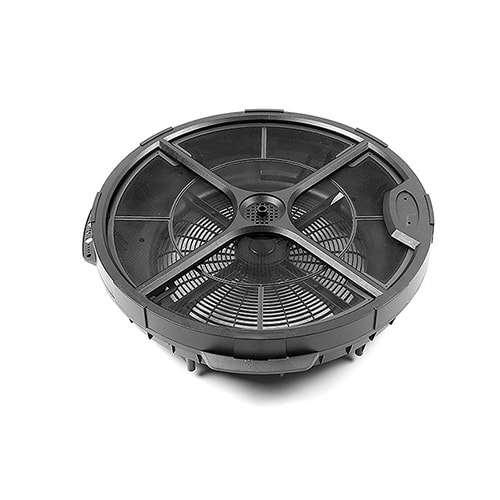
Machined fan grille produced in batch quantities
Machined Fan Grille
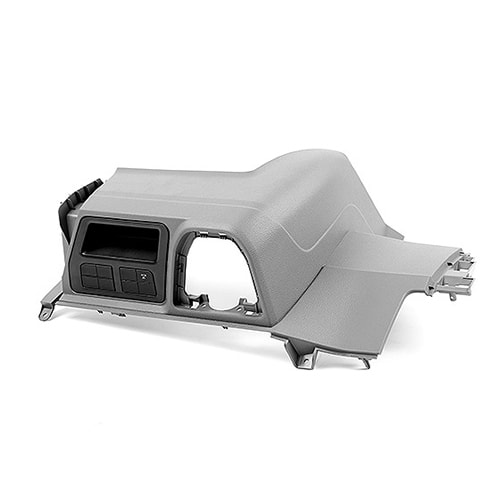
Machined console section for control equipment
Console Section
Production Capabilities

Built for Repeat Production

Volume machining is a different discipline from prototype work: it rewards process stability, tool-life planning and unattended hours rather than setup flexibility.

High-Volume Milling

Multi-pallet machining centres keep spindles cutting while parts load and unload, which is where volume cost actually comes from.

  • Fixtures: Dedicated workholding retained for repeat orders
  • Automation: Pallet changers and unattended running hours
  • Consistency: Locked programs with controlled tool life

Bar-Fed CNC Turning

Bar feeders turn round parts around the clock with minimal intervention, which is normally the cheapest route to a high-volume cylindrical component.

  • Routing: Swiss-type and multi-spindle turning cells
  • Output: Continuous running with automatic bar loading
  • Stability: Tight diameter control maintained all run long

Multi-Axis for Complex Parts

Five-axis and mill-turn platforms machine several faces in one setup, which cuts fixtures, handling and the stack-up error that comes with both.

  • Setups: One clamping for multi-face features
  • Accuracy: Fewer re-datums means fewer tolerance stacks
  • Parts: Housings, manifolds, brackets and impellers

Custom Fixtures & Tooling

We design and build the workholding in-house. For volume work the fixture decides cycle time and repeatability far more than the machine does.

  • Design: In-house fixture and soft-jaw engineering
  • Cost: Amortised across the production quantity
  • Retention: Stored and maintained for future runs

Tolerance Control at Volume

Holding a tolerance on part one is straightforward. Holding it on part five thousand requires process capability, not just skill at the machine.

  • Target: ±0.01 mm as standard on machined features
  • Method: In-process gauging and SPC trending
  • Response: Tool offsets adjusted before drift becomes scrap

Finishing, Assembly & Logistics

Turnkey delivery including surface treatment, hardware installation and kitting, so parts arrive ready to build rather than needing another supplier.

  • Finishing: Anodizing, plating, passivation and coating
  • Assembly: Insert installation, riveting and sub-assembly
  • Packing: Kitting and volume-appropriate protective packaging
High-Volume Machining Case Studies

Production Runs, Engineering-Led

  • Medical Engineering
  • Industrial Equipment
  • Consumer Electronics
High-volume machined automotive transmission housing
Automotive Powertrain

Machined Transmission Housing & Cover Set

Project focus: bore alignment & batch consistency across the annual volume

Process

4-Axis CNC Milling + Boring

Material

A356 Aluminum Casting

Annual Qty

30,000+ Units

The Engineering Challenge

A Tier-1 automotive supplier needed transmission housings and covers machined as a matched set. Bearing bore alignment between the two parts is what keeps the gear train quiet, and variation between batches showed up downstream as noise and premature bearing wear.

  • Bore alignment maintained across a matched housing and cover pair.
  • Cycle time low enough to hit the annual volume on the installed capacity.
  • No porosity or chatter defects acceptable on sealing faces.

Our Solution

We built a dedicated tombstone fixture that machines the housing in two operations with the bores finished in the same clamping as the mounting face, then locked the program and tool offsets for the life of the run.

  • Fixturing: Tombstone fixture with hydraulic clamping for repeatable location.
  • Process: Bores finished in-setup to protect alignment to the mounting datum.
  • QC: Bore diameter and position trended by SPC with tool offsets adjusted on trend, not on failure.
±0.02mmBore Position
ZeroChatter Rejects
CPK 1.67Process Capability
On ScheduleBatch Delivery
Technical Specifications

High-Volume Machining Capabilities

Our production cells run multi-axis machining centres and bar-fed lathes with tool-life management and in-process gauging, set up for repeat batches rather than one-off parts.

High-volume machining envelope, tolerance, finish and capacity specifications
Process Parameter Technical Capability
Machining Capability 3-, 4- and 5-axis CNC milling, CNC turning, bar-fed turning and mill-turn platforms
Maximum Milling Envelope 1524 mm × 1016 mm × 508 mm (60 in × 40 in × 20 in)
Maximum Turning Envelope Ø762 mm (30 in) × 1524 mm (60 in) length
Dimensional Tolerance Standard ±0.025 mm (±0.001 in); precision features up to ±0.005 mm (±0.0002 in)
Production Volume Bands Low-volume: 11–500 pcs; mass production: 501 pcs and above (higher volumes are the focus of this service)
Automation & Unattended Running Multi-pallet changers, automatic bar feeders and lights-out running hours where part geometry allows
Tool Life Management Scheduled tool changes by cut time with offsets adjusted from in-process measurement data
Surface Finish Standards As-machined Ra 3.2 µm (125 µin); fine machining to Ra 0.8 µm, plus tumbling and bead blasting for volume consistency
Material Processing Aluminum, stainless steel, carbon and alloy steel, copper and brass, titanium, plus engineering plastics
Finishing & Assembly Anodizing, plating, passivation, powder coating, insert installation and kitting
Quality Control First Article Inspection, in-process gauging with SPC trending, CMM verification and full inspection report
Lead Time Standard production batches: 5–10 working days, confirmed against the batch quantity and finishing route
Our High-Volume Machining Facility

Our Production Floor

We are your professional production partner. Talk to our engineers about capacity, scheduling and the volumes behind your programme.

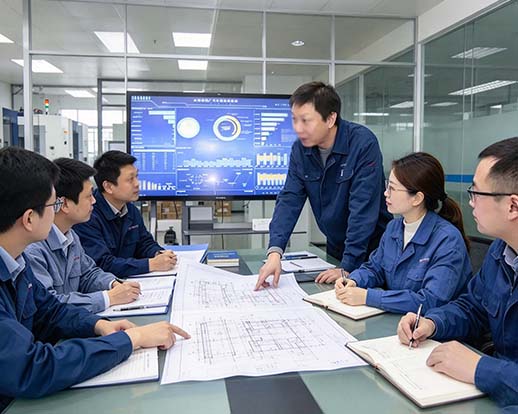
Production engineer reviewing a high-volume machining programme
Production Engineer
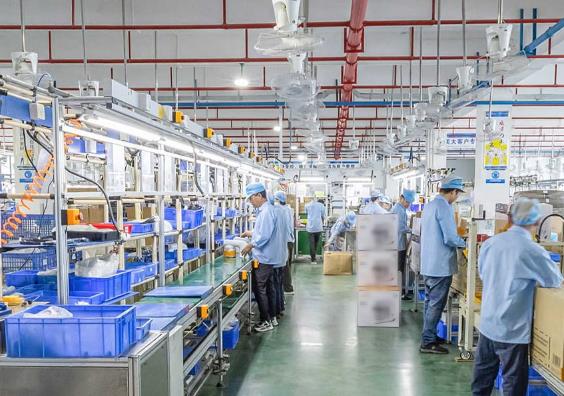
High-volume machining workshop and assembly area
Machining & Assembly Workshop
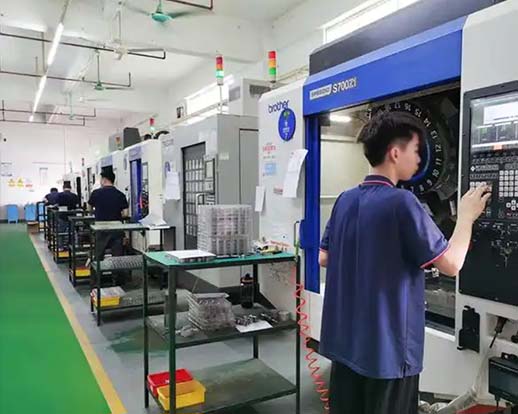
Machining engineer setting up a production fixture
Fixture Setup Engineer
High-volume CNC machining production floor
Production Floor
Production Metrics

What Volume Delivery Has to Hit

On a production run, the figures that matter are the ones you would put in a supply agreement. These are the targets our production cells are managed against.

500+ pcs
Production Band Focus

This service is built for batches from 500 pieces upward. Smaller quantities run through our standard CNC machining service.

CPK ≥ 1.33
Process Capability Target

Critical features are trended against a capability target rather than accepted on pass or fail, so drift is caught early.

5–10 Days
Typical Batch Lead Time

Confirmed per order against quantity and finishing route. Repeat runs are usually faster because fixture and program already exist.

100%
Documented Inspection

Every batch ships with an inspection record covering critical dimensions, with FAI and material certification available.

Simple and Fast

How a Production Run Works

A streamlined workflow that removes unnecessary time cost and keeps your programme moving from drawing to delivered batches.

01

Quote & DFM

Upload drawings with quantities for volume pricing and a manufacturability review.

02

Process & Fixture Design

We plan the routing, workholding and tool life before the first part is cut.

03

First Article & Approval

A full dimensional FAI is produced and approved before the batch is released.

04

Production & SPC

Batches run with in-process gauging and capability trending, not end-of-run sorting.

05

Finish & Delivery

Surface finishing, hardware installation, kitting and global dispatch.

Contact Us for a Fast Quote

Start Your Production Run

Upload your CAD files and receive a free quote within 24 hours, including expert-level DFM feedback and volume pricing.

FAQ

Addressing Your Concerns

  • For us, high-volume production starts at roughly 500 pieces and runs upward through recurring batches. Below that, parts are better served by our standard CNC machining service, where setup is amortised over a smaller quantity and the fixture investment is not justified.

    The practical threshold is economic rather than technical: once the fixture and program cost is spread across enough parts, the per-piece price drops sharply on the second run and stays there.

  • The engineering effort moves from making one part to making the same part identically, repeatedly, at a predictable cost.

    Fixturing: a dedicated fixture replaces general workholding, so location is repeatable without operator judgement. Tool life: cutting tools are changed on a schedule derived from cut time, not when they fail. Process control: critical features are trended with SPC so offsets are adjusted before parts go out of tolerance. Capacity: pallet changers and bar feeders add unattended hours that a prototype job never uses.

  • Standard machined tolerances are ±0.025 mm (±0.001 in), with precision features held to ±0.005 mm (±0.0002 in) where the drawing requires it. The more useful figure on a volume run is process capability: we target a CPK of 1.33 or better on critical features, which is what actually guarantees the last part in the batch matches the first.

  • Aluminum alloys, stainless steels including 304, 316L and 17-4 PH, carbon and alloy steels, copper and brass, titanium and nickel alloys, plus engineering plastics such as POM, PEEK and nylon. On volume work we standardise the grade and mill source per part number, and hold the material certificate against each batch so a later run is cut from comparable stock.

  • By retaining the process rather than re-deriving it. For each part number we keep the program, fixture, tooling package, inspection plan and the recorded offsets. A repeat order runs against those records instead of being set up from scratch.

    Within a run, in-process gauging feeds SPC trend charts, and the inspection record ships with the batch so you can see the actual distribution rather than a single pass or fail result.

  • As-machined finish is Ra 3.2 µm (125 µin), with fine machining reaching Ra 0.8 µm. For production quantities we normally add a tumbling or bead-blasting step, because it evens out the surface across the whole batch rather than only on the parts that happened to cut cleanest.

    Decorative and protective finishes including anodizing, plating, passivation and powder coating are coordinated before dispatch.

  • Tooling is the largest variable cost in volume machining, so it gets planned rather than discovered. We calculate expected tool life per operation from the material and cutting parameters, schedule changes by cut time, and quote the tooling consumption into the per-piece price. On hard or abrasive materials such as titanium and glass-filled plastics, that planning is usually what separates a competitive quote from an optimistic one.

  • Yes. Surface treatment, insert and hardware installation, riveting, light sub-assembly and kitting can all be included, with volume-appropriate protective packaging for the parts. Consolidating those steps with the machining removes a second supplier from your schedule and keeps responsibility for the finished component in one place.

  • Standard production batches typically run on a 5–10 working day cycle, confirmed against your quantity and finishing route. Repeat orders are usually faster because the fixture, program and tooling already exist. Where a programme needs scheduled releases across a year, we can plan capacity against those dates rather than quoting each batch separately.

Submitted Successfully!

We will contact you within 24 hours.

Chat with us on WhatsApp